Strategy isn’t a flat line from A to B. It’s layered, shifting and often messy. It involves people, context, culture, timing—and a fair bit of uncertainty. So why do so many strategic plans still live in long documents, static slides, or linear timelines?
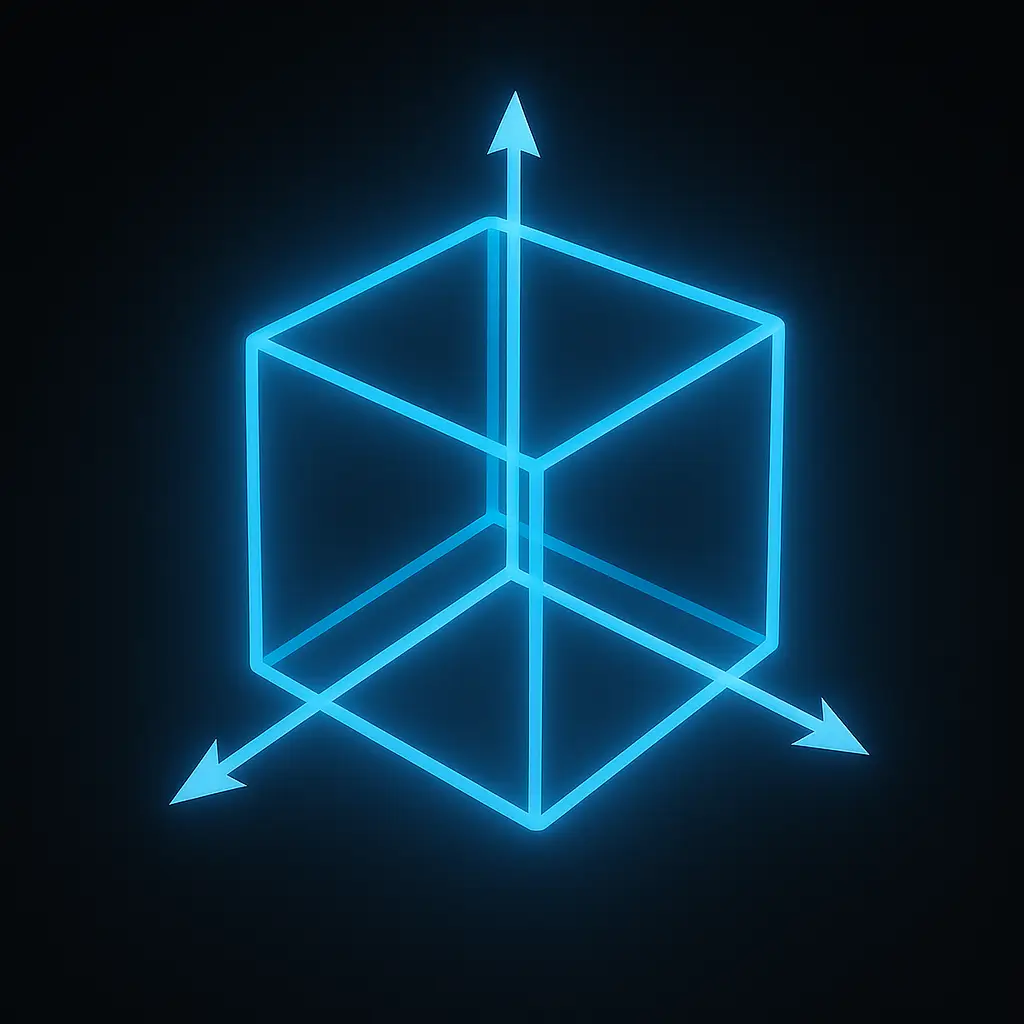
In reality, strategy is 3D.
3D Strategy Cube
It has depth (what’s beneath the surface?), breadth (how do all the moving parts connect?), and height (what’s the big picture?). It changes when you look at it from a different angle. And it only really makes sense when people can see how their part fits into the whole.
That’s where visualisation comes in.
When you visualise strategy, you stop relying solely on words and bullet points. Instead, you map, model and frame ideas—so people can explore and understand them together. It’s not about pretty diagrams. It’s about giving shape to what’s otherwise abstract.
Think about trying to align a senior team. Or communicating a transformation to hundreds of people. Or even just figuring out what kind of change is needed. A well-crafted visual can become a shared thinking space—one that invites questions, highlights tensions, and helps decisions stick.
Strategy needs to flex and breathe. Visualisation helps it do that. It makes the 3D nature of strategy easier to hold, explore and share.




Leave a Reply