
Collaborative visual strategy
See the whole picture.
Move forward together.
I’m John Ashton. I help leadership teams align perspectives through shared visual models / rich pictures for clearer decisions and action.
Explore my Visual Strategy Models System, try the Strategic Clarity Diagnostic, or arrange a conversation about bringing clarity to your organisation.
Trusted by organisations including…

Rolls-Royce

Babcock

Dassault Systèmes

Lonza

JLR

Stonegate Group
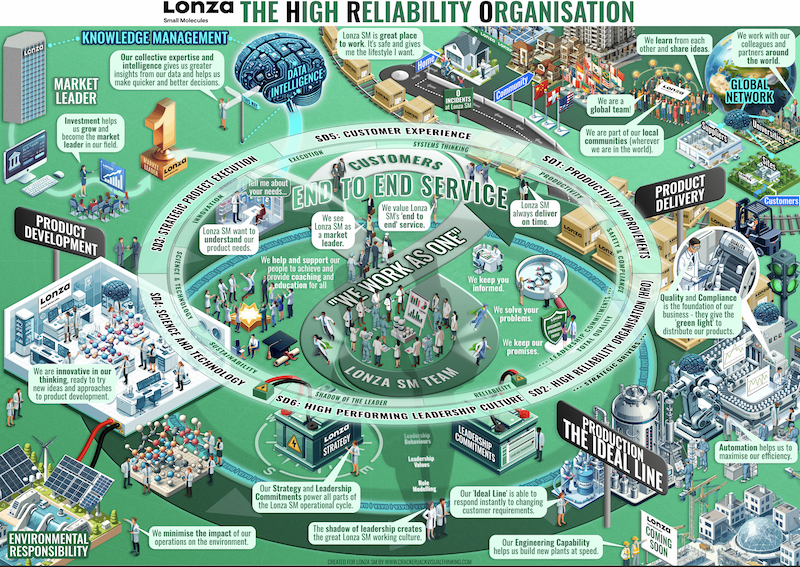
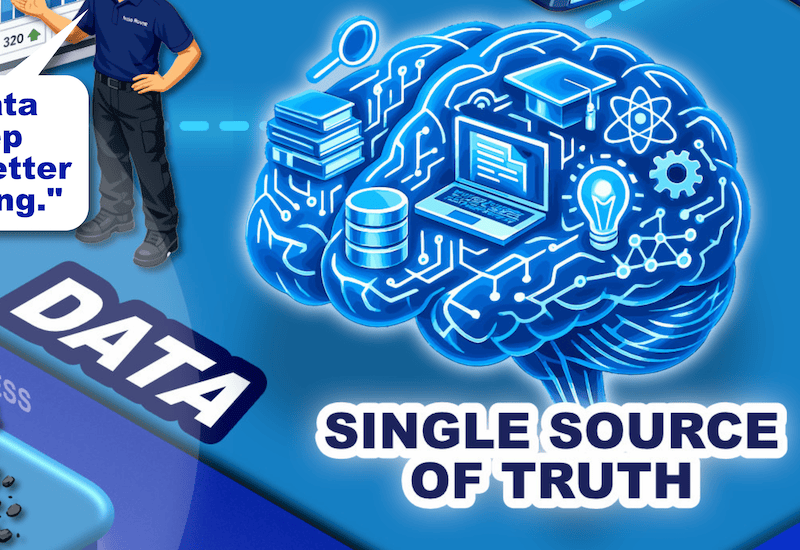
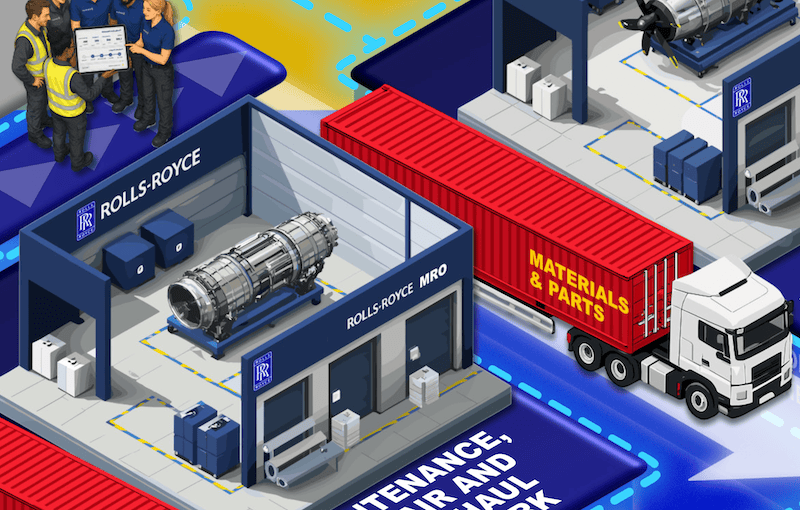
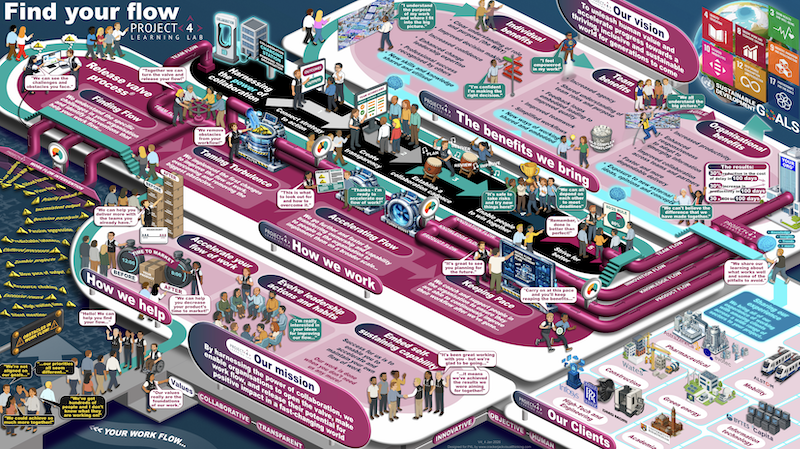

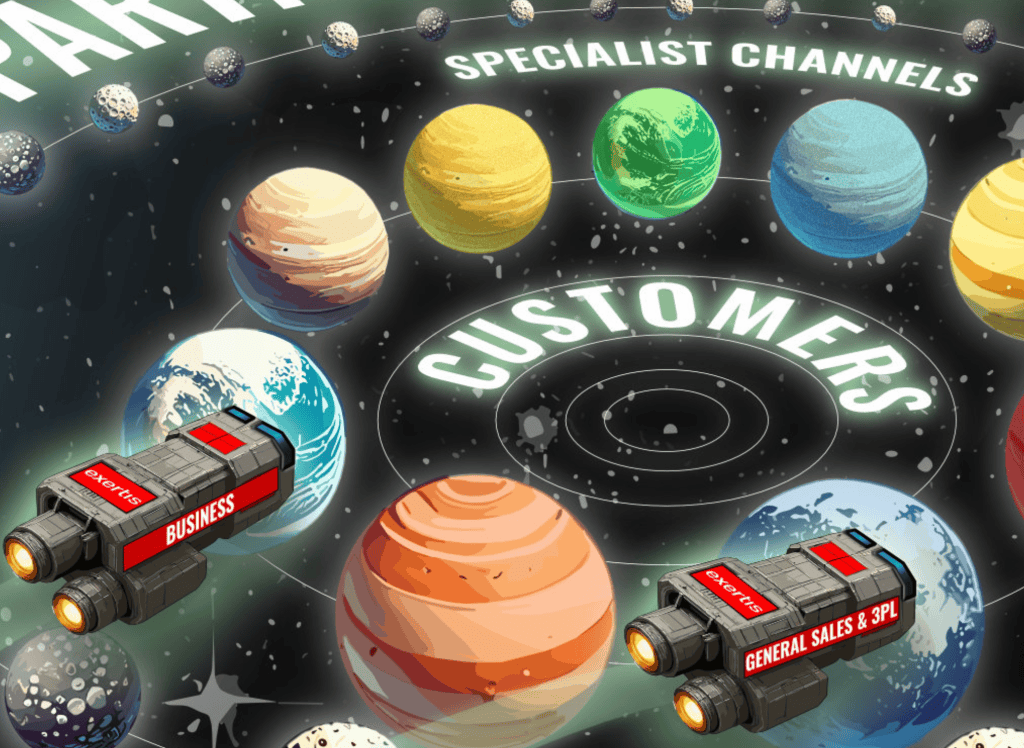
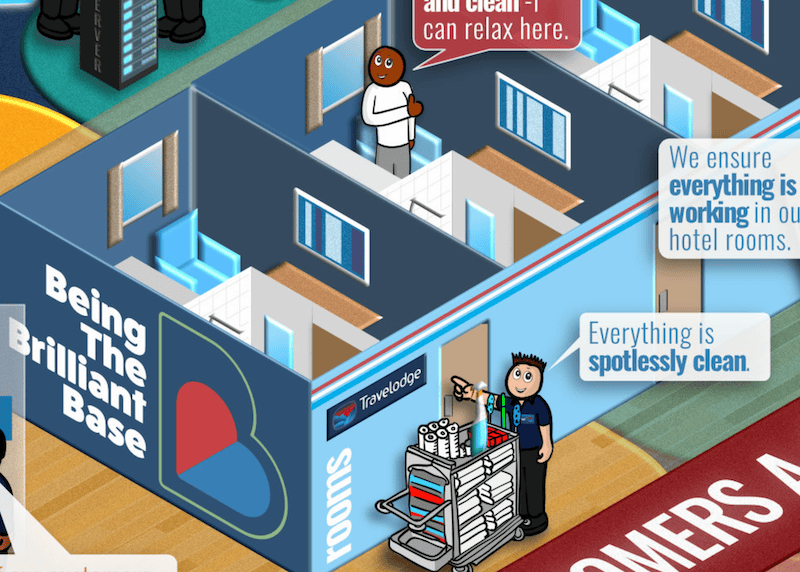
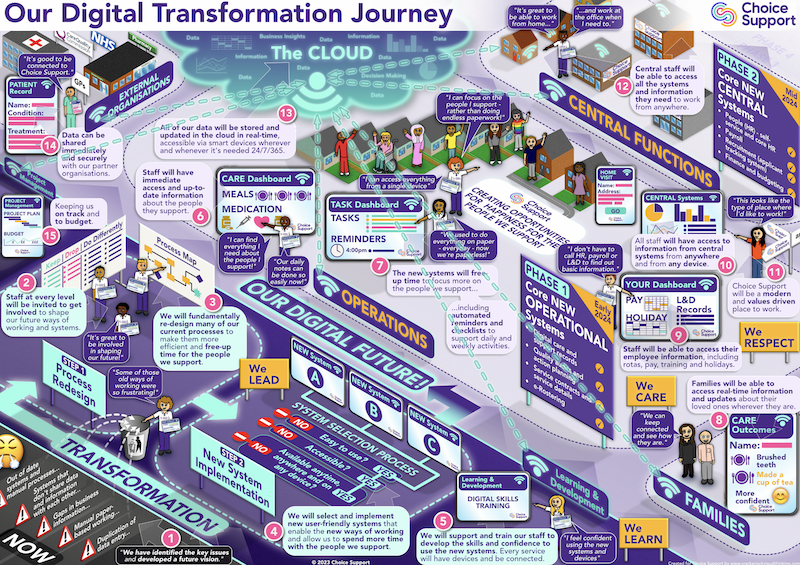
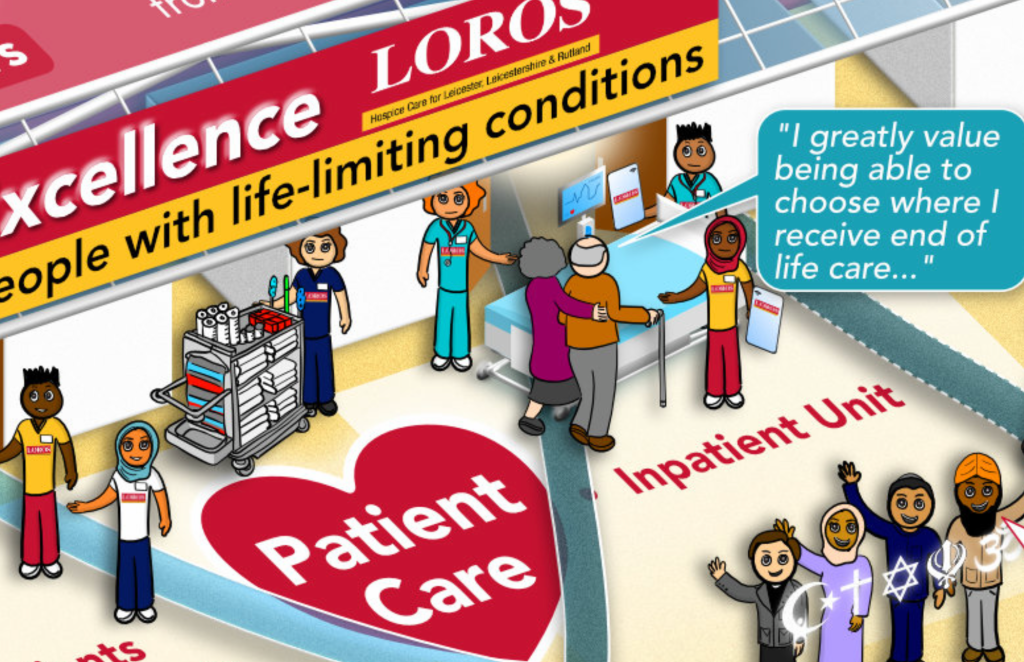
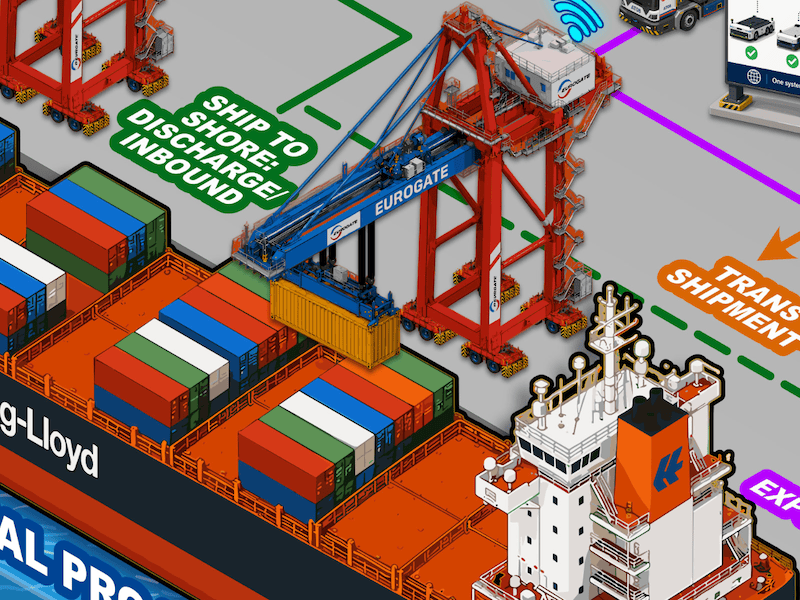
Pictures your team can think with.
“Visual models / rich pictures are created through a collaborative and inclusive process developed from my experiences of working with a wide variety of organisations over the last 17 years.
Whether a visual model / rich picture is on-screen, displayed as a wall-sized print, made into a game, or shown as a step by step animation, its sole purpose is to enable meaningful discussion and drive decisions and action in your organisation.”
John Ashton – Founder of Crackerjack Visual Thinking

Where does your organisation need greater clarity?
Find your starting point with the Strategy Clarity Diagnostic. Explore six connected areas, see your clarity profile and identify where a shared visual model / rich picture could help.
Choose a quick overview or a deeper diagnostic, then download your brief or email your results to John before a conversation.
The Visual Strategy Models system
Six models. Four roles. One connected system.
When a strategy feels difficult to grasp, a visual model / rich picture can help your team see how the pieces fit together. Our Visual Strategy Models System brings direction, organisation, enabling systems and change into view and ready to be shared, discussed, challenged and acted upon in your organisation. There are four steps to the process:
1 · Start with your strategic question
- Where are we going?
- How will we work?
- What will enable us?
- What needs to change?
We begin with what your team needs to understand and choose only the models your challenge requires.
2 · Choose the relevant combination of models
We have six different types of models that enable us to visualise the key elements of your organisation. Each model serves one of four roles:
- Direction – where are we going?
- Organisation – how will the organisation work?
- Enabler – what people, systems and services will help us deliver?
- Change – what must change, in what sequence and with what dependencies?
Choose one or more of the models that will help you answer the question (or questions) you want to answer (as identified in Step 1).

Visual Vision Model
(Role: Direction)
Connect purpose, priorities, people and outcomes in an overarching vision of your organisation’s future.

Visual Operating Model
(Role: Organisation)
Identify the operational capabilities required for your organisation to act as one connected system.

Visual People and Capability Model
(Role: Enabler)
What capabilities will we need our people to have?
Explore roles, skills, leadership and culture that are key to getting the work to be done.

Visual Digital, Data and AI Model
(Role: Enabler)
How will technology enable the strategy?
Connect systems, information, automation and AI with people, processes and decisions.

Visual Customer and Service Model
(Role: Enabler)
How will we create better value for our customers?
Connect customer and service needs with experiences, services and the systems behind them.

Visual Transformation Model
(Role: Change)
Connect today’s organisation to the intended future through clear priorities and linked changes.
3 · Work through one common journey

1 · Scope

2 · Discover

3 · Explore

4 · Model

5 · Align

6 · Activate
Through structured sense-making, facilitated conversation and visual synthesis, we build understanding together and turn it into visual models your team can use.
4 · A visible, reusable visual model / rich picture
The visual model / rich picture is created through a collaborative process. It makes assumptions, relationships, dependencies and tensions visible so people can discuss them.

It is a strategic reference your team can return to for leadership decisions, engagement, onboarding and change.
Clarity · Alignment · Better decisions · Communication · Action
You do not need to choose a model before we talk. Bring the question, the uncertainty or the challenge; we can find the right starting point together.

About John Ashton
Founder-led work, built with your team.
I founded Crackerjack Visual Thinking in 2009. I work directly with CEOs, senior leaders and transformation teams to make complex organisational systems easier to understand, discuss and change.
I listen for the assumptions and connections that are easy to miss, help people explore them together and turn the emerging understanding into a coherent visual model.
Let’s Talk
What does your team need to see more clearly?
You do not need to know which model you need. Tell me about the challenge and the people involved; we can work out a sensible starting point together.

